
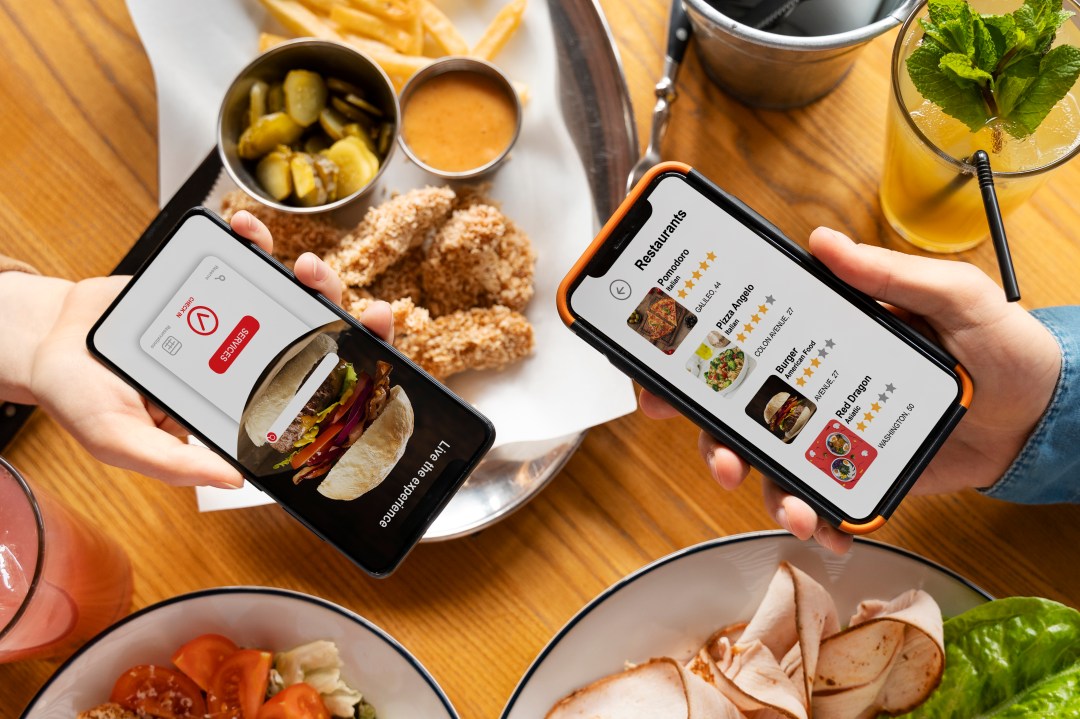
In recent years, platforms like YugoHrana have emerged as promising tools in the fight against food waste. Based in the Balkans, YugoHrana connects restaurants, bakeries, and stores with surplus food to users who can buy that food at a discount. At first glance, this seems like a win-win: less food ends up in landfills, and more people get access to affordable meals. But if we take a closer look, the story becomes more complicated – not because of what YugoHrana is doing wrong, but because of the system that makes such platforms necessary in the first place.
Surplus isn’t an accident – it’s built in
In any economy driven by market incentives, overproduction is not a glitch; it’s a feature. Food is produced not to meet needs, but to meet demand – that is, to generate profit. When it doesn’t sell fast enough, it becomes surplus. The tragedy is that this surplus often appears in parallel with hunger and food insecurity.
Digital platforms are increasingly seen as a way to address this contradiction. A 2024 study in Technological Forecasting and Social Change argues that such technologies can help reduce waste across supply chains by improving transparency and efficiency. But even this research notes that platforms operate within – not outside – the systems that generate waste in the first place.
By turning food waste into a discounted commodity, these platforms repackage a structural failure as an opportunity. It’s clever – but it also risks normalizing a fundamentally irrational setup, where mountains of edible food must be saved from destruction, not because it’s the right thing to do, but because someone has finally figured out how to monetize the saving.
The new marketplace of leftovers
There’s no denying that it’s better for surplus food to be eaten than trashed. But we should still ask: why is so much perfectly good food ending up in the “leftover” category to begin with? And why are people who struggle financially being offered crumbs from a broken system – rather than guaranteed access to decent food through public channels?
As this 2023 review of food waste platforms shows, many platforms reduce waste by resolving inefficiencies between producers and consumers – but they also reinforce the market logic that created the inefficiency in the first place. Instead of tackling root causes, they optimize the fallout.
Redistributing surplus through apps might look like a form of innovation, but it’s also a subtle way of outsourcing responsibility. Cities like Baltimore have taken a different path, investing in community-run food programs, collective kitchens, and virtual supermarkets that bypass the market logic altogether. These kinds of initiatives aren’t just reactive; they reimagine what access to food could look like when driven by social planning rather than digital mediation.
Platform logic in disguise
There’s another layer to this. Like many digital solutions, food waste platforms rely on a familiar model: minimal infrastructure, user-driven logistics, and transaction fees. The businesses offering surplus food benefit from a bit of revenue and positive PR. The users – often people on tight budgets – do the legwork. The platform mediates, collects data, and takes a cut.
This is textbook platform capitalism, as described in this review from New Technology, Work and Employment. The extraction of value happens through coordination and data, not physical goods – but the dynamics are familiar: someone profits from the coordination of scarcity and need.
Imagining beyond the discount model
To be clear, this isn’t a takedown of YugoHrana. Initiatives like this can have real value, especially in regions where food insecurity is rising and social services are underfunded. But we should be wary of celebrating them as final solutions. Instead of asking how we can improve the platform, we might start asking why we need a platform at all.
What would a food system look like where surplus is planned out of existence – where distribution is based on need, not just leftover demand? What if the same creativity behind apps for “rescuing” food went into rebuilding collective kitchens, public food networks, or non-market-based access?
Until then, platforms like YugoHrana will continue to do the work – but within the limits of a system that produces both waste and want by design.
 Arete Sustainability