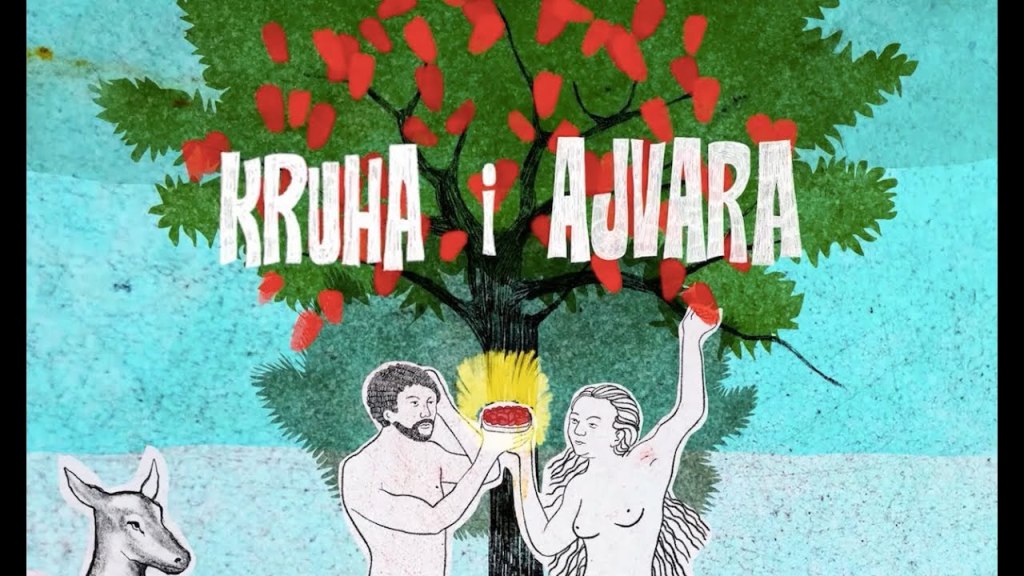
In a world where rapid industrialization often overshadows cultural traditions, the ARETE Institute for Sustainable Prosperity is dedicated to preserving and innovating cultural heritage. We collaborated on a 25-minute documentary titled “Kruha i Ajvara (Pepper to the People)”, which highlights our commitment to promoting cultural heritage and sustainability. This film, a collaborative effort of Klara Tončić, Ana Tomičić, Amar Darwish and Tibor Đurđev, emerged from the “Ethnographic Experiments” workshop led by Meghanne Barker from UCL at KinoKlub Zagreb. It serves as a testament to the institute’s mission and the passion of its members.
KinoKlub Zagreb acts as a platform for amateur film, supporting complete artistic freedom. By providing free access to film knowledge and tools to all interested citizens, it enables everyone to engage in filmmaking. ARETE shares this vision of accessibility and creativity, aligning with our mission to promote cultural heritage and sustainability. We were delighted to be part of their project through the involvement of our members.
ARETE Institute: Bridging Tradition and Modernity
The ARETE Institute’s mission is rooted in the belief that sustainable prosperity can only be achieved by balancing modern advancements with the preservation of cultural heritage. This project perfectly encapsulates this philosophy, delving into the rich history and cultural significance of Ajvar, a beloved Balkan relish. The institute aims to highlight how traditional foods like Ajvar can contribute to sustainability, fostering a deeper understanding and appreciation of cultural practices.
Insights from ARETE Institute Members
This film not only documents Ajvar’s cultural significance but also offers hands-on experience in ethnographic filmmaking, with Tibor Đurđev’s background in anthropology, Klara Tončić and Ana Tomičić’s backgrounds in social anthropology, and Amar Darwish’s expertise in sustainable food production. Two of the crew members, Amar and Ana, are part of the ARETE Institute, which aligns their personal academic pursuits with the institute’s broader mission. Amar’s background in regenerative agriculture and his role as an intern with ARETE, along with Ana’s focus on traditional foods and sustainability through the FEAST project, highlight how the institute’s goals and projects dovetail with the documentary’s exploration of cultural heritage and sustainability.
Ajvar: A Symbol of Unity and Hospitality
Throughout the documentary, Ajvar emerges as more than just a relish; it is a symbol of unity and hospitality in the Balkans. The film highlights how Ajvar transcends regional boundaries, bringing together various Balkan communities through shared culinary traditions. This resonates deeply with the ARETE Institute’s goal of fostering community and cultural cohesion.
However, the documentary also touches on more complex and sometimes contentious aspects of Ajvar’s place in Balkan culture. One segment features a nationalist who states, “Oh, you know, I’m a Croatian nationalist, I only buy Croatian products, unless they’re 25% more expensive.” This highlights how culinary heritage can intersect with national pride and consumer choices. Another part of the film presents individuals who argue that industrially produced Ajvar is superior due to its convenience and consistency, reflecting a broader debate within the Balkans about tradition versus modernity.
A particularly poignant moment in the film is when a woman, who makes a living from producing Ajvar, explains that the traditional method is no longer feasible for her. The time and cost involved in following the original recipe are too high, forcing her to adapt her production methods. She notes, “It’s not that I changed it, everyone has changed it because it’s not worth it.” This narrative underscores the economic pressures and changes impacting traditional food practices.
Ethnographic Film: A Tool for Cultural Preservation
The “Ethnographic Experiments” workshop provided the perfect platform for the team to experiment with innovative storytelling techniques. By using animation, the documentary not only captures the essence of Ajvar but also engages a broader audience, making the cultural narrative more accessible and captivating. This approach underscores the institute’s commitment to blending traditional knowledge with modern methods.
Learning and Growth Through Collaboration
The documentary project has been a significant learning experience for all involved. It provided an opportunity for the team to gain hands-on experience in film production, from shooting to editing. This collaborative effort not only resulted in a compelling documentary but also strengthened the team’s skills and understanding of ethnographic filmmaking.
Conclusion: A Step Towards Sustainable Prosperity
The ARETE Institute’s involvement in this documentary project exemplifies its dedication to promoting cultural heritage and sustainability. By exploring the history and significance of Ajvar, the institute highlights the importance of preserving traditional practices in a modern world. This film is a powerful reminder that sustainable prosperity is achievable when we honor and integrate our cultural heritage into contemporary practices.
Through projects like this, the ARETE Institute is advocating for a balanced approach to development—one that respects and preserves the rich cultural tapestries that define our communities.
 Arete Sustainability